A written antique appraisal from a professional costs about $250 to $300 for a single item on average, and appraisers who bill by the hour charge anywhere from $25 to over $300 an hour, according to HomeAdvisor's cost data. You do not always need to pay that. Free verbal opinions, auction house estimates and online specialists cover most of the cases where you only want to know whether a piece is worth more attention.
The right choice depends on one question: who is going to rely on the number? If it is only you, deciding whether to sell, keep or insure a piece, a free or cheap opinion usually does the job. If an insurer, a court or the IRS will read it, you need a signed report from a credentialed appraiser. This guide walks through what each route costs, what you get for the money, and where the line sits.
What an Antique Appraisal Costs
Appraisers set their fees in three ways, and the method tells you a lot about how the bill will grow.
Hourly, per item or flat fee
Hourly billing is the most common method, and it rewards you for arriving prepared. HomeAdvisor lists hourly rates from $25 to over $300, per-piece pricing of $200 to $300 when you have several items but not a whole collection, and flat fees for large collections where the price depends on how much there is to catalog. A single piece with easy research often takes an hour or two of work. A whole household is different: expect a day rate or a project quote after the appraiser has seen the scope.
Travel is often billed on top. An appraiser who drives to your home to see a dresser or a set of dining chairs will usually charge for the time on the road, so ask before you book.
The fee rule that protects you
A legitimate appraiser never charges a percentage of the value they put on your piece. The reason is simple: if the fee rises with the number, the appraiser has a reason to inflate the number.
The professional bodies say this plainly. The American Society of Appraisers states in its code of ethics that fees based on a percentage of value are unethical, and that a fee contingent on the value conclusion is unethical too. The International Society of Appraisers tells consumers not to hire anyone who charges a percentage or a contingency fee, and lists hourly fees, flat rates and per-item charges as the acceptable ones. If a quote is phrased as "a few percent of whatever it turns out to be worth", walk away.
Antique Appraisal Options Compared
Here is how the main routes line up. Prices are the ones each source published, read in November 2026.
| Option | Typical cost | What you get | Written report an insurer or the IRS accepts |
|---|---|---|---|
| Antiques Roadshow event | Free ticket by sweepstakes | Verbal opinion on up to two items | No |
| Auction house estimate | Free | Estimate of what it might fetch in their sale | No |
| Museum or historical society | Free | Help identifying it, no money value | No |
| Mearto online appraisal | $25 an item | Fair market value range from a specialist | No |
| ValueMyStuff online appraisal | From $28 | Auction and insurance values from a specialist | Check with your insurer first |
| Primo Worth | Three free scans, then a subscription | An AI estimate from one photo, with sold listings where they exist | No |
| Credentialed appraiser | About $250 to $300 an item on average | Signed report to professional standards | Yes |
The pattern is clear. Everything above the last row tells you roughly what a piece is worth. Only the last row produces a document that someone else will accept as evidence.
Free Antique Appraisal Routes
Three free routes are worth trying before you spend anything, and each has a limit you should know.
Antiques Roadshow events
The PBS show runs a real touring event, and the Roadshow tour FAQ confirms there is no cost for an appraisal: every ticket holder receives a free verbal appraisal for up to two items. Tickets are free too, but they are handed out through a sweepstakes, so you enter and hope. The 2026 tour visited Tucson, Indianapolis and Mumford, New York, and the entry deadline for that year closed in April.
What you leave with is an expert's spoken opinion. It is a great answer to "is this anything?" and no use at all to an insurer, because nothing is written down.
Auction house estimates
Auction houses give free estimates because they hope to sell your piece and earn a commission. You send photos, measurements and anything you know about where the piece came from, and a specialist replies with the price range they would expect in their own sale.
The catch is that the big houses only answer for items that fit their sales and clear their minimum consignment value. Silence from a major house usually means the piece is too small for them, not that it is worthless. A regional auction house that sells furniture, silver or pottery like yours is often the better place to ask. Keep in mind that an auction estimate is a sale forecast, not an appraisal, and the house assumes your piece is what it appears to be.
Museums and historical societies
Museums can help you work out what a piece is, but they will not put a price on it. The Smithsonian states on its artifact appraisals page that it does not offer monetary evaluations, and it points people to price guides, dealers, auction records and professional appraisers instead. Local historical societies, university libraries and state museums are useful for identification, which is the first half of any valuation.
Antique Appraisal Online: Paid Specialists vs Photo Estimates
Online services sit between the free routes and a full written report. You upload photos and a description, and someone (or something) sends back a value.
Paid online specialists
Mearto charges $25 per item for a standard online appraisal, with bulk rates from three items. Its FAQ says a specialist typically responds within 48 hours with a short description and two values: a fair market value range, based on recent auction results for comparable items, and either a suggested asking price or an automatically calculated insurance value. Mearto also says that when a result is marked "conditional", the value assumes the item is not a fake or a reproduction, because it cannot verify that from photos.
ValueMyStuff works on credits, starting at $28, with a team of over 60 specialists and answers in 24 or 48 hours. HomeAdvisor puts this kind of website research at $10 to $30 an item in general. These services are good value for a piece you are thinking of consigning. They cannot handle, weigh or open anything, so they work from the same photos you could show anyone.
Photo estimates from an app
For a quick first read on many household pieces, a photo estimate costs the least and answers fastest. Primo Worth lets you snap a photo of the piece, and its Antique mode identifies a likely maker, era, origin and material, adds a short backstory, and checks the item against recent eBay sales where they exist. The sold listings are shown with photo, price, condition and date, so you can judge for yourself whether the matches really look like your piece.
This is an AI estimate, not a professional appraisal. A photo cannot confirm age, maker or material, and when no comparable sales exist the result rests on a web estimate rather than sold prices. Use it to sort a box of finds into "probably modest" and "worth a closer look", then take the second pile to one of the routes above.
When a Paid Antique Appraisal Is Worth It
A paid report costs a few hundred dollars per piece, so the question is what it saves or protects. Three situations justify the fee almost every time.
Insurance
If a piece is valuable enough that losing it would hurt, your insurer will usually want a written appraisal before it schedules the item on a policy. Insurance reports use replacement value, which can be very different from what the piece would sell for. Ask your insurer which kind of document it accepts before you pay anyone, so you do not end up with a report it will not use.
Donations and taxes
The IRS sets the strictest rules. On its art appraisal services page it explains that if the deduction you claim for an item, or a group of similar items, is more than $5,000, you need a qualified appraisal signed and dated by a qualified appraiser, plus Form 8283, Section B. The appraisal can be issued no earlier than 60 days before the donation, and it must not involve a prohibited fee, which rules out the percentage arrangements above. A free estimate or an online value does not meet this standard.
Estates and dividing property
When heirs split a household or an estate has to report values, a neutral written appraisal avoids arguments about who got the better piece. Appraisers usually quote these jobs by the day or by project, so ask for the fee basis in writing before work begins.
Outside these three cases, the money is often better spent elsewhere. If you only want to sell, a free auction estimate and your own research on sold prices usually get you close. Our guide on where to sell antiques compares what dealers, auction houses and online platforms take from the sale.
Antique Furniture and Jewelry Appraisal
Two categories behave differently from the rest.
Antique furniture
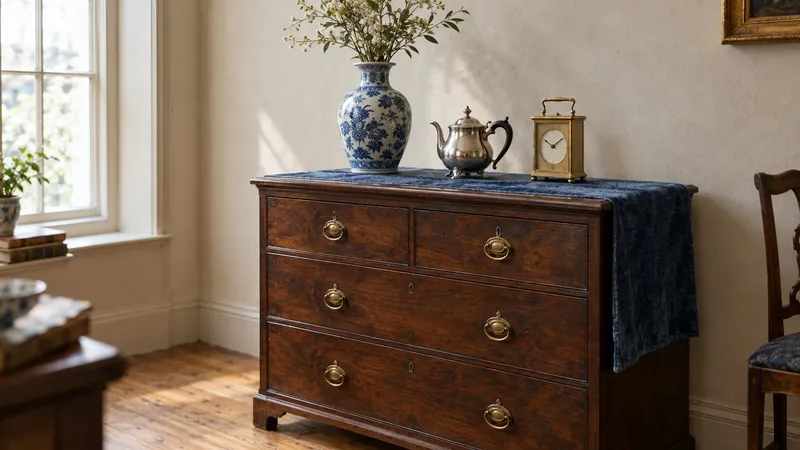
Furniture is hard to value from photos. Construction details such as joinery, tool marks, secondary woods and replaced hardware decide much of the value, and they are often hidden inside drawers or under the piece. That makes an in-person visit more useful here than for almost anything else, and it is why travel fees show up so often on furniture appraisals. Photograph the back, the underside and the inside of a drawer before you contact anyone, so a specialist can tell from the first email whether the visit is worth making.
Antique jewelry
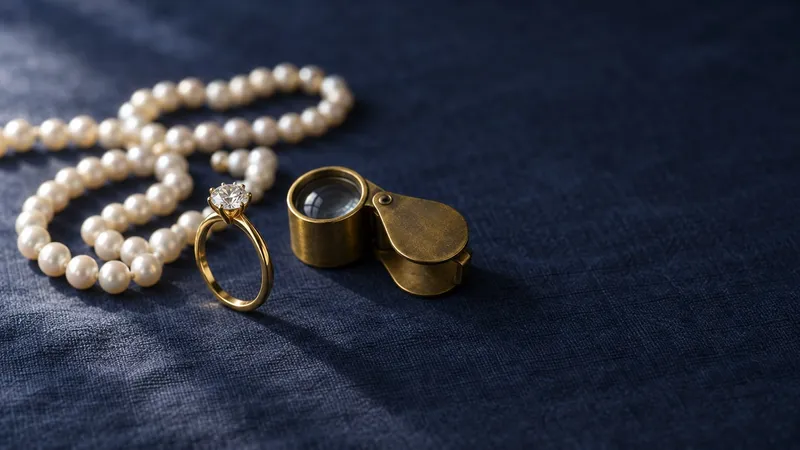
Old jewelry has two layers of value: the metal and stones, and the design and maker. A jeweler can test the metal and identify the stones in person, which no photo can do. For the fees and report types that apply to rings, brooches and necklaces, see our breakdown of jewelry appraisal costs.
How to Prepare and Keep the Bill Down
Because most appraisers bill for time, everything you hand over in advance cuts the research they charge for. Before you book, gather the following:
- Clear photos of every side, plus close-ups of any marks, labels, signatures or damage
- Measurements and, for small metal pieces, the weight
- Anything you know about where it came from: receipts, letters, old photos or family history
- The purpose of the appraisal, stated up front, since an insurance value and a resale value are different numbers
Then ask four questions before you agree: what the fee is and how it is calculated, whether travel is extra, which professional standards the report follows, and whether the appraiser ever buys items they have valued. The International Society of Appraisers also notes that no appraiser should claim expertise in everything; its members cover over 230 specialty areas, so look for someone who works in your category.
Group your items, too. Per-piece and hourly rates both reward a single visit for several pieces over several visits for one piece each.
The Short Version
An antique appraisal costs about $250 to $300 per item on average from a professional, and you should pay that only when someone else will rely on the number: an insurer, a court, an estate or the IRS for a donation over $5,000. A legitimate appraiser charges by the hour, by the piece or a flat fee, never a percentage of the value.
For everything else, start free. Antiques Roadshow events, auction house estimates and museums cover identification and a first idea of value, online specialists add a written range for around $25 to $28, and a photo estimate helps you decide which pieces deserve that attention at all. Save the paid report for the few pieces where the paperwork matters.