Where to sell coins depends on what you have. A local coin dealer is the fastest route for mixed lots and old silver, an online coin auction usually nets the most for certified coins worth a few hundred dollars or more, and an online marketplace gives you the most control if you are willing to photograph, list and ship. Pawn shops and general cash-for-gold buyers sit at the bottom of the list.
If you are holding a jar of old coins, an inherited collection or a few silver dollars, the hard part is not finding a buyer. It is knowing what the coins are worth before anyone makes you an offer. This guide compares every common way to sell coins on fees, speed and effort, then shows how to set your own floor price so you can judge an offer on the spot.
Where to Sell Coins: The Options at a Glance
Each option below suits a different kind of coin and a different kind of seller. The fee column is what comes out of your side of the sale, where the venue publishes it.
| Option | Best for | What it costs you | When you get paid |
|---|---|---|---|
| Local coin dealer | Mixed lots, old silver, quick cash | The dealer's margin below retail | Same day |
| Coin show | Comparing several offers in one day | The dealer's margin, plus travel | Same day |
| Online coin auction | Certified coins, higher values | 0% to 5% seller fee at GreatCollections | After the auction closes |
| Online marketplace | Common coins you can photograph and ship | 13.25% final value fee on most coin sales | After the sale and shipping |
| Bullion buyer | Silver and gold valued by weight | A spread below the spot price | After your package arrives |
| Dealer consignment | World coins, larger lots, no time to list | A share of the sale, 25% in one dealer's program | After the coins sell |
| Pawn shop | Cash when nothing else is open | An offer from a non-specialist | Same day |
| Primo Worth | A first estimate before you choose a buyer | Free to download | Not a buyer |
The last row is not a place to sell. It is the step before selling, and it gets its own section further down.
How We Compared These Options
Four questions decide where a coin should go.
What you keep after fees. A venue that pays more on paper can leave you with less once commissions, grading and shipping are subtracted. Every percentage in this guide comes from the venue's own published terms.
How fast you are paid. A dealer pays at the counter. An auction pays after the lot closes and the buyer settles, and the American Numismatic Association's guide on where to sell warns that you will wait for your coins to be processed, auctioned and paid out.
How much work it takes. Selling coin by coin online means photos, descriptions, buyer questions and packing. Some sellers enjoy that. Most people with an inherited box do not.
What recourse you have. A dealer who belongs to a professional body has signed up to a code of conduct and, in some cases, to arbitration if a deal goes wrong. A stranger at a flea market has not.
1. A Local Coin Dealer
For most people with a mixed lot, a reputable local coin shop is the right first stop. A dealer can look at the coins in hand, sort the silver from the clad, spot the dates worth more than metal and pay you the same day.
What a dealer will pay
The dealer has to resell what they buy at a profit, so you will not be paid the retail price you see in a catalog or a dealer's display case. The ANA says it plainly: do not expect to sell for a retail price. The FTC's consumer alert on investing in collectible coins makes the same point from the buyer's side, noting that collectible coins sell at a markup over the wholesale price so the dealer can make a profit. The gap between what a dealer pays and what they charge is the spread, and it is the cost of selling fast.
That spread is narrower on coins the dealer can resell quickly, such as common silver, and wider on coins that need a specialist buyer. A fair offer on a common silver coin will sit close to its melt value; a fair offer on a scarce date reflects the collector market for that date.
How to find a trustworthy one
Search for coin dealers near you through the ANA's dealer directory, linked from its selling guide, or through the Professional Numismatists Guild. Every PNG member pledges to follow the guild's code of ethics, which includes giving sound advice to non-professional customers and not misrepresenting prices or quality.
Membership is a filter, not a guarantee. Get a second offer on anything you think is valuable, and ask the dealer to tell you which coins they are paying a premium for and which they are buying for metal.
2. A Coin Show
A coin show puts dozens of dealers in one room, which makes it the easiest way to get several offers on the same coins in a single afternoon. The ANA's selling guide lists shows alongside local dealers for exactly this reason, and its events directory lists upcoming shows by area.
Bring the coins in flips or a simple holder, never loose in a bag. Show the same coins to three or four tables before you accept anything, and keep notes on who offered what. If one dealer is far below the others, that tells you something about the dealer, not about the coin.
Shows also suit sellers who want to learn. Dealers at a show are often willing to explain why a coin is worth what it is, even if you do not sell to them that day.
3. An Online Coin Auction
For a valuable coin or collection, an auction house brings a wide pool of bidders to your coins, and competition between them can push the price above what any single dealer would pay. The ANA notes that once you get into five and six figures, some local dealers cannot buy outright at all, so auction becomes the natural route.
What the fees look like
Auction fees come in two parts: what the seller pays and what the buyer pays. GreatCollections, a California coin auction house, publishes both. Its seller fee schedule charges 0% on coins and banknotes that sell for over $1,000 and 5% on those that sell for $1,000 or less, with no minimum consignment. Buyers pay a buyer's fee of 10% by check or wire, or 12.5% by card or PayPal, according to its published terms.
The buyer's fee matters to you even though you do not pay it. Bidders know they will owe it, so they bid a little lower. When you compare an auction result to a dealer's offer, compare the hammer price, not the hammer price plus the buyer's fee.
When grading pays for itself
Auction buyers pay most for coins certified by a third-party grading service, sealed in a holder with a serial number. Grading costs money: GreatCollections lists PCGS and NGC economy service at a normal rate of $23 per coin, discounted to $18 or $20 through its own program, plus a handling fee per submission.
That fee makes sense on a coin whose value depends on its precise condition and is worth well above the fee. It makes no sense on a common silver coin that will sell for its metal. If you are unsure which camp a coin is in, the guide to what an old coin is worth walks through date, mint mark and condition before you spend anything on grading.
4. An Online Marketplace
Selling the coins yourself online gives you the most control over price. You set the listing, you choose auction or fixed price, and you deal directly with the buyer. The ANA names eBay and MA-Shops as the usual platforms and points out the trade-off: you handle photography, listing, shipping and any customer problems yourself.
Marketplace fees for coins
According to eBay's selling fees page, sellers without an eBay Store pay a final value fee of 13.25% on the total amount of a coin sale up to $7,500, and 2.35% on the portion above that, plus a per-order fee. Bullion has its own rate: 13.6% on a sale of $7,500 or less. The total amount of the sale includes shipping and sales tax, so the fee is larger than 13.25% of the item price alone.
Store subscribers pay lower percentages in most coin categories, which only makes sense if you plan to sell regularly. Sellers whose account falls below eBay's performance standard pay an extra 6% on final value fees the following month.
Put those numbers against a $200 total sale with no store: about $26.50 goes to the final value fee before the per-order fee, shipping supplies and your time. At GreatCollections, the same $200 coin would carry a 5% seller fee of $10, plus its listing fee.
Who this suits
An online marketplace works best for common, easily identified coins worth tens to a few hundred dollars, where a dealer's spread is a big share of the value and an auction house's minimums or listing fees do not fit. It works badly for a seller who wants the money this week or who has no patience for buyer questions.
Price from sold listings, not asking prices. Filter to completed sales of the same date, mint mark and condition, and ignore the one record result everyone mentions.
5. A Bullion or Precious Metals Buyer
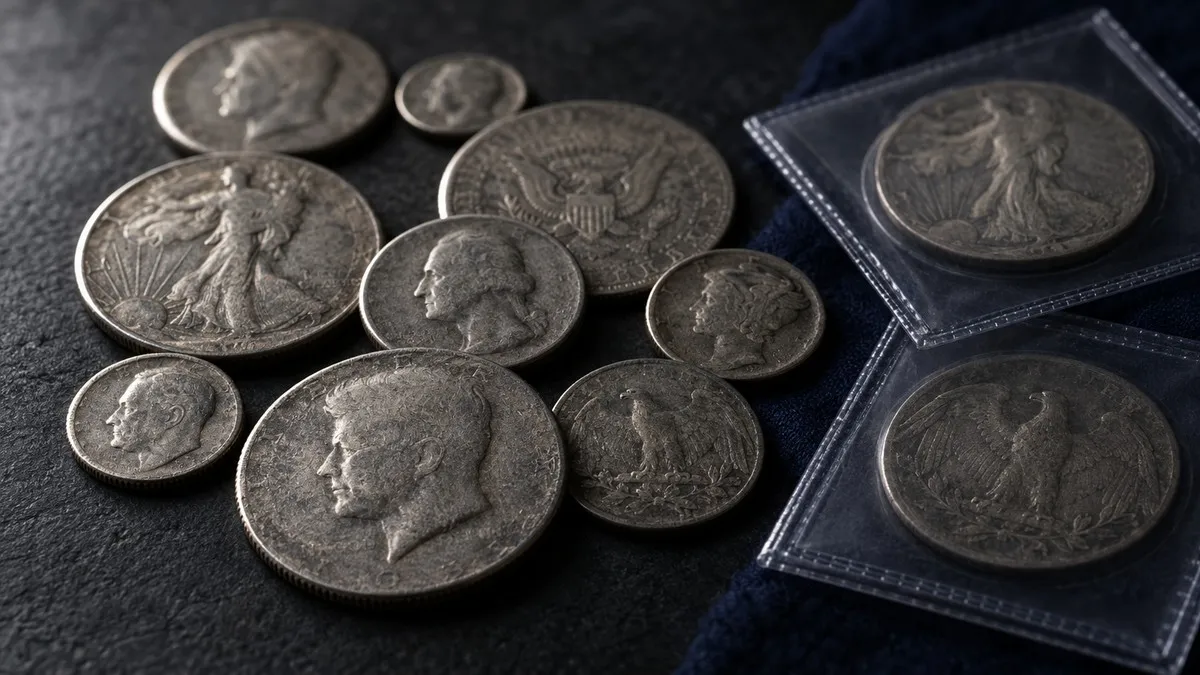
Coins valued for their metal, such as pre-1965 dimes, quarters and half dollars, are often called junk silver. Precious metals dealers buy them by weight and purity, usually against the day's spot price. Some, like APMEX, also buy old gold and sterling silver alongside coins.
This route suits a seller with a roll or a bag of common silver coins and no collector dates. It does not suit rare dates, which lose their premium when sold by weight. Kitco's silver page makes the same warning: coins in unusually good condition or from scarce years can carry collector value above melt and should be checked before being sold for metal.
6. Consignment Through a Dealer
If you want the reach of an online sale without the work, some dealers will list your coins for you and take a share of the result. Boardwalk Numismatics, a world coin specialist, publishes a simple version: it lists consigned coins as auctions on its own online store, the seller keeps 75% of the final price, and the dealer keeps 25%.
A quarter of the sale is a lot to give up on a $20 coin and can be fair on a world coin that only a specialist audience will bid on. Ask any consignment dealer how long coins stay listed, what happens to unsold coins and when you are paid.
7. A Pawn Shop or Cash-for-Gold Buyer
A pawn shop will make an offer on the spot, and that is its only real advantage. The person behind the counter is often not a coin specialist, so a scarce date can be bought as plain silver.
Treat a pawn shop as a last resort. If you do walk into one, walk in knowing the melt value of every silver and gold coin you carry, so you can refuse an offer below it.
Before You Sell: Know Your Floor Price
Whichever buyer you pick, two numbers protect you: the melt value of anything made of silver or gold, and a rough market value for anything that might be worth more than its metal.
Work out melt value first
Dimes, quarters and half dollars dated 1964 or earlier are 90% silver. Kitco's silver price page notes that a face-value dollar of these coins contains about 0.715 troy ounces of silver, and it quoted silver at $51.82 per troy ounce on November 6, 2026.
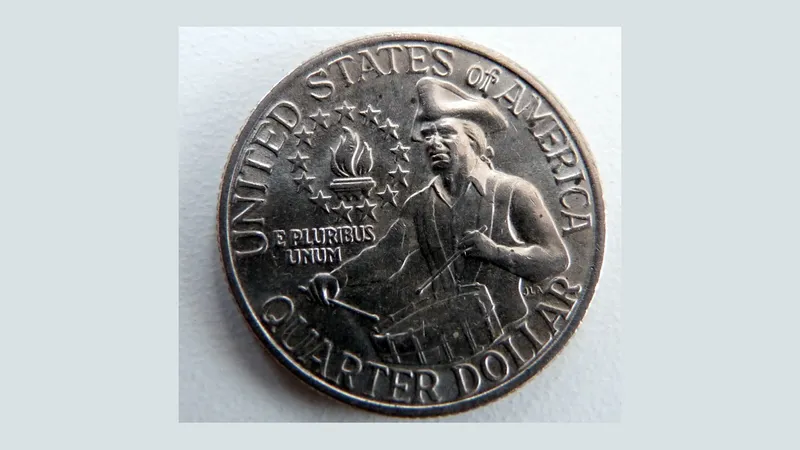
At that price, every dollar of face value in pre-1965 dimes, quarters or half dollars holds about $37.05 of silver. A roll of 40 silver quarters, $10 face value, holds about $370.50. Half dollars from 1965 to 1970 are 40% silver and hold less. The silver quarter melt guide shows the edge test that separates silver quarters from clad ones in seconds.
Melt value is the floor for silver, not the target. A buyer paying a little under melt is covering their own costs; a buyer paying far under melt is counting on you not knowing the number.
Get a first estimate of what each coin is worth
Melt value tells you nothing about a scarce date or a mint mark that collectors chase. That needs a market check before you show the coins to anyone.
Primo Worth can help with that first pass. In Coin mode, you snap a photo and it identifies the denomination, year and mint mark, with a read-out on rarity and what drives the value. The estimate is checked against recent eBay sales where they exist, and the sold listings are shown so you can judge whether the matches fit your coin.
Primo Worth gives an AI estimate, not a professional appraisal, and the estimate is not what a buyer will pay. A photo cannot confirm a coin's condition, tell an added mint mark from a real one or say whether a coin has been cleaned. Use the estimate to decide which coins deserve a dealer's closer look and which can go with the silver lot.
Mistakes That Cost Sellers Money
A few errors show up again and again when people sell coins for the first time.
- Cleaning the coins. Polishing or scrubbing removes the surface collectors pay for. Sell coins as they are.
- Selling everything as one lot. A single scarce date can be worth more than the rest of the jar. Sort first, then sell the common coins together and the better coins on their own.
- Taking the first offer. One offer is a data point. Two or three offers, from a dealer, a show and a sold-listing search, tell you the market.
- Forgetting fees in the comparison. A $200 marketplace sale and a $175 dealer offer are closer than they look once a 13.25% fee, shipping and returns are counted.
Matching the Coin to the Buyer
A simple rule covers most collections. Common silver goes to a local dealer or a bullion buyer, priced against melt. Common collectible coins worth tens of dollars go to a dealer, a coin show or an online marketplace if you have the time. Certified coins worth hundreds or more go to an established auction house, where the published seller fees are low and the bidder pool is wide.
Whatever the route, the seller who knows their floor price before the first conversation does better than the seller who does not. Know the melt value, check sold prices for the better coins, and get more than one offer on anything you suspect is valuable.
Conclusion
There is no single best place to sell coins. A local coin dealer pays fastest and suits mixed lots, a coin show lets you compare several dealers in one visit, online coin auctions suit certified coins worth real money, and online marketplaces reward sellers willing to do the listing work in exchange for a 13.25% fee on most coin sales. Bullion buyers suit junk silver, consignment suits specialist coins, and pawn shops come last.
Before choosing any of them, work out the melt value of your silver from the current spot price, check sold prices for anything that might be scarce, and sort the better coins from the bulk. With those numbers in hand, every offer becomes easy to judge.