A jewelry appraisal costs about $75 to $200 per piece in the US, according to Jewelers Mutual, the jewelry insurer. Appraisers charge either a flat fee per item or an hourly rate, and estate, tax and court work sits at the top of the range. A fee tied to a percentage of your jewelry's value is a red flag, never a bargain.
The price depends less on the piece than on the job. An insurance appraisal for one solitaire ring, a fair market value report for an estate and a quick verbal opinion at the counter are three different services with three different bills. This guide breaks down the fees appraisers publish, the report types that drive them, and the point where paying for an appraisal stops making sense.
How Much Does a Jewelry Appraisal Cost?
Most people pay for one piece at a time, and the per-piece figure is the one to budget around. Jewelers Mutual puts it at $75 to $200, depending on how complex the design is and how many stones need to be measured and graded one by one. An older Jewelers Mutual guide quotes hourly rates of $50 to $150.
BriteCo, another jewelry insurer, wrote in August 2026 that in-store appraisals generally cost $65 to $200, and that its own online option charges a flat $26 for eligible pieces. That online figure applies only to what BriteCo accepts, so treat it as a floor rather than a typical price.
Published price lists
Independent appraisers who post their fees make the ranges concrete. These are the figures on two published price lists, checked in November 2026:
| Appraiser | Service | Published fee |
|---|---|---|
| Cal Coast Jewelry Appraisers, California | Insurance appraisal, 24-hour turnaround | $150 first item, $95 each additional |
| Cal Coast Jewelry Appraisers, California | Insurance appraisal, 10 or more items | $75 per item |
| Cal Coast Jewelry Appraisers, California | Estate, probate or donation, in office | $250 per hour |
| Brummitt Jewelry Design Studio, North Carolina | Insurance replacement document | From $150 per hour, $50 minimum |
Brummitt notes that a basic round brilliant solitaire can typically be done in about 45 minutes, so a simple ring lands below a full hour's fee. The Cal Coast list also shows how volume pricing works: the per-item rate falls as the number of pieces rises, and updates of its own earlier reports within five years cost half the current fee.
Flat Fee or Hourly: How Appraisers Charge
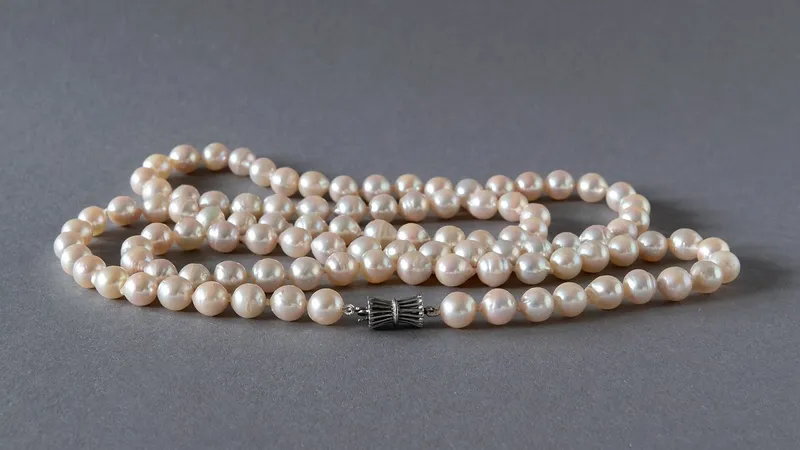
A flat fee per piece is common for straightforward items such as a solitaire, a plain band or a strand of pearls. You know the bill before you walk in, and a stack of similar pieces often earns a lower per-item rate.
Hourly billing suits work where the time is hard to predict: antique pieces, designer jewelry, mixed estate lots, or anything that needs stones removed, research into a maker, or a written report for a court. The American Society of Appraisers tells consumers that an appraiser should give you an estimate of the fee once the scope of work is set, and that the fee should be based on an hourly rate, the piece or the project.
The fee structure to refuse
One way of charging is off the table for any credentialed appraiser. The American Society of Appraisers, in its ethics code, calls fees based on a percentage of value unethical unless there is a legal exception, and it forbids fees that depend on the value conclusion. The American Gem Society says the same in its consumer guide.
The reason is simple: a percentage fee rewards the appraiser for a higher number. The IRS goes further for donated property. Under Publication 561, no part of the fee for a qualified appraisal can be based on a percentage of the appraised value, and you cannot deduct the appraisal fee as part of your charitable contribution.
Report Types Change the Jewelry Appraisal Cost
The purpose of the appraisal decides the type of value it reports, and the type of value decides how much work goes into it. Jewelers of America, in a guide reviewed by the National Association of Jewelry Appraisers, describes three main types.
Insurance replacement value
Most appraisals done today are for insurance. They estimate what it would cost to replace the piece in a store that sells that kind of jewelry, so the number is a retail price, usually for a new equivalent. Jewelers Mutual stresses that retail replacement value is not resale value and is much higher, because it is what you would pay to buy, not what you would get to sell.
This is the type most per-piece prices above refer to. If your goal is a jewelry appraisal cost for insurance, the $75 to $200 range is the one to plan for.
Fair market value for estates and donations
Fair market value is the price between a willing buyer and a willing seller, with neither under pressure, for the piece in its current used condition. It is generally the value required for charitable donations and estate appraisals, and it often runs lower than replacement value.
The IRS spells out why you cannot reuse an insurance appraisal here. Publication 561 gives the example of donated jewelry: the insured value reflects replacement cost when the appraisal was made, not what a willing buyer would pay on the date of the gift. These reports follow IRS or court instructions, which is why they are usually billed by the hour.
Liquidation value
A liquidation appraisal estimates what a piece would bring in a forced, fast sale. Jewelers of America notes these usually show low values because of the situations that create the need for them, such as a quick estate settlement or a debt.
Jewelry Appraisal Cost Compared Across Your Options
A professional appraisal is not the only way to put a number on a piece, and the cheaper routes answer different questions. Here is how the common options compare on cost and on what you actually get.
| Option | Typical cost | What you get | Best for |
|---|---|---|---|
| Independent appraiser | $75 to $200 per piece, $250 per hour for estates | Signed written report for a stated purpose | Insurance, estates, donations, disputes |
| Jeweler at the point of sale | Often free on new purchases | Insurance replacement document on what they sold | New pieces you just bought |
| Online appraisal service | From $26 for eligible pieces | Written report from photos and documents | Simple pieces with paperwork |
| Verbal opinion at a counter or buyer | Free | A spoken number, no document | A quick sense before selling |
| Primo Worth | Free to download, three free scans | An estimate from one photo, checked against recent sold listings where they exist | A first idea of resale value |
Free appraisals carry a catch. BriteCo points out that a verbal opinion is not valid for insurance, and a free number from someone offering to buy the piece comes from the person who profits from a low figure. A jeweler who wrote the appraisal on something they sold you is not independent of that sale either.
What Pushes the Price Up
The same appraiser can charge very different amounts for two pieces that look alike. These are the factors their price lists and guides point to:
- Number of stones: each significant stone has to be measured and graded, so a halo ring or a tennis bracelet takes longer than a solitaire.
- Antique, designer or estate pieces: identifying a maker or a period means research, which is why these move to hourly billing.
- Purpose: fair market value, donation and court reports follow outside rules and are billed hourly at higher rates.
- Speed and location: Cal Coast charges $200 instead of $150 for a first item done while you wait, and adds a travel fee for appraisals at your home or bank.
- Credentials and equipment: the ASA Northern California chapter notes that appraisers with top credentials and lab equipment command higher fees.
A lab grading report is a separate cost again. Jewelers Mutual describes a diamond grading report from a lab such as GIA as a quality assessment of the stone, while an appraisal assigns a value to the whole piece. A report does not replace an appraisal, and an appraisal does not replace a report.
When a Paid Appraisal Is Worth It
The return on an appraisal comes from what it protects, not from what it reveals. For a piece you plan to keep and insure, the report is what a claim is settled against. The ASA chapter makes the point that the description in the appraisal matters more to a claim than the dollar figure, because insurers replace jewelry according to that description.
An appraisal also pays for itself when the law requires one. A donation, an estate or a divorce settlement needs a fair market value from a qualified appraiser, and Publication 561 adds that GIA certificates and color photos should be included in jewelry appraisals for donated items.
Paying for a full appraisal makes less sense when you only want to know whether a piece is worth selling. An insurance report gives you a retail replacement figure, which overstates what a buyer will pay. For costume jewelry or a single low-value piece, the fee can exceed the value of the item.
Before You Pay: A First Idea of Value
If you are not sure a piece is worth an appraiser's time, start with what you can check yourself. Stamps and hallmarks tell you the metal and karat a maker claimed, and our guide to reading hallmarks and karat stamps walks through the common marks. For diamonds, the home tests and their limits show what a kitchen-table check can and cannot rule out.
Recent sold prices are the closest free signal to resale value. Primo Worth gives you an estimate from one photo: Jewelry mode reads the metal, karat, stones and hallmarks it can see, then checks the item against recent eBay sales where they exist and shows the sold listings behind the number. It is an AI estimate, not a professional appraisal, and a photo cannot confirm what a metal or a stone is.
That makes Primo Worth a sorting step rather than a substitute. A piece whose comparable sales come back in the low tens of dollars rarely justifies a $150 report, while one that looks valuable is the piece to take to a qualified appraiser.
How to Choose an Appraiser and Avoid Overpaying
There are no US laws that set education standards or require certification for jewelry appraisers, Jewelers of America notes, so the checking falls to you. Jewelers of America treats a Graduate Gemologist diploma from GIA, or its equivalent, as minimum gemological training, and GIA adds that an appraiser needs appraisal training as well.
Watch the wording. GIA itself says it does not appraise jewelry and does not certify its graduates, so "GIA certified" on an appraiser's sign deserves a follow-up question. Professional bodies such as the American Society of Appraisers, the American Gem Society and the National Association of Jewelry Appraisers list members you can check.
To keep the bill down, ask for the total fee estimate up front, bring receipts, earlier appraisals and lab reports, and group several pieces into one visit to reach a lower per-item rate. Ask how updates are priced, since many appraisers discount reports on pieces they have seen before.
How often to update
An appraisal is a snapshot of one date. GIA notes that many appraisers suggest updating every two to three years, while BriteCo and several jewelers cite three to five years, or sooner when metal prices move or your insurer asks. Check your policy, since the insurer's rule is the one that counts.
What to Remember Before You Book
Expect to pay about $75 to $200 per piece for an insurance appraisal, and $250 an hour or more for estate, donation or court work. Fees should be a flat rate per piece, an hourly rate or a project price, never a percentage of value.
The report type matters as much as the fee. Insurance replacement value is a retail price for a new equivalent, fair market value is what a willing buyer would pay, and liquidation value is what a fast sale brings. Order the one your purpose requires, update it every few years, and save the paid appraisal for pieces worth protecting or legally required to be valued.