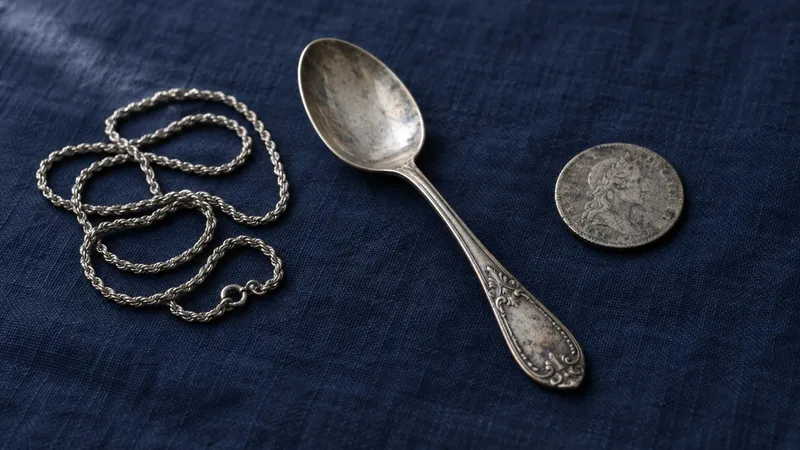
The value of sterling silver starts with its metal. Sterling is 92.5% pure silver, so on November 12, 2026, with silver at $50.49 a troy ounce, every gram of sterling held about $1.50 of silver. A 45 gram fork carried roughly $68 of metal at that price, and a buyer who melts it pays you less than that.
That figure is the floor, not the ceiling. What a piece of sterling is worth depends on three things the spot price ignores: how much of its weight is actually silver, whether the mark says sterling or plate, and whether anyone wants the pattern more than the metal. This guide walks through each one, with arithmetic you can do on a kitchen scale.
What Sterling Silver Is and What 925 Means
Sterling silver is an alloy of at least 925 parts pure silver in every 1,000, with the rest usually copper for hardness. The standard is centuries old: The Silver Society explains that English coins and silver wares were made from sterling long before hallmarking began, and that hallmarks were introduced to show the fineness had been tested.
In the US the word itself is regulated. The FTC jewelry guides treat "Sterling" or "Ster." on a piece as misleading unless it is at least 925/1,000 silver, and "coin silver" as misleading below 900/1,000. Under the National Stamping Act, silver plate may not be stamped "sterling" or "coin" at all.
Three other standards turn up on older pieces. Britannia silver, introduced in Britain in 1697 to stop silversmiths melting coins, is at least 958.4 parts in 1,000. Coin silver is 900. Much continental European silverware is 800, 830 or 835. Each standard holds a different amount of silver per gram, so the mark changes the math before the scale does.
Value of Sterling Silver per Gram and per Ounce Today
Silver trades by the troy ounce, which is 31.1035 grams, about 10% heavier than the ounce on a kitchen scale. The Kitco spot price stood at $50.49 a troy ounce on November 12, 2026, at 9:33 p.m. ET. Here is what that meant for each common standard:
| Mark | Silver content | Per gram | Per troy ounce | Per kitchen ounce |
|---|---|---|---|---|
| 999 fine | 99.9% and up | $1.62 | $50.49 | $46.02 |
| 958 Britannia | 95.84% | $1.56 | $48.39 | $44.11 |
| 925 sterling | 92.5% | $1.50 | $46.70 | $42.57 |
| 900 coin | 90% | $1.46 | $45.44 | $41.42 |
| 800 continental | 80% | $1.30 | $40.39 | $36.82 |
So the sterling silver value per gram on that date was about $1.50, and a troy ounce of sterling held $46.70 of silver. A full pound on a kitchen scale, 453.6 grams of sterling, held about $681.
These numbers move fast. USA Today reported that on November 12, 2026, silver was trading 57.42% below its 52-week high of $117.85. A per-gram figure from last year's news, or one quoted in an old listing, can be off by half. Redo the math with the day's spot price before you sell anything.
How to Work Out Sterling Silver Melt Value
Melt value is the silver content of a piece priced at spot. You need a scale that reads grams and the day's price per troy ounce:
- Weigh only the solid silver parts in grams. Leave out knives, candlesticks and anything weighted, for the reasons in the next section.
- Divide by 31.1035 to get troy ounces.
- Multiply by 0.925 for sterling, or by 0.958, 0.900 or 0.800 for the other marks.
- Multiply by the spot price per troy ounce.
Take a 45 gram sterling fork. 45 divided by 31.1035 is 1.447 troy ounces. Times 0.925 is 1.338 troy ounces of pure silver. Times $50.49 is $67.57 of melt value.
A kitchen scale is fine for a first pass. If the scale only reads ounces, multiply by 28.35 to get grams first, because a kitchen ounce is not a troy ounce, and treating one as the other overstates the silver by about 10%.
Sterling Silver Melt Value by Weight
The table below runs the same math for common weights at the November 12 spot price. The two offer columns show the range one precious metals guide gives for what dealers pay, covered further down.
| Weight of sterling | Melt value | Offer at 60% | Offer at 95% |
|---|---|---|---|
| 20 g | $30.03 | $18.02 | $28.53 |
| 45 g | $67.57 | $40.54 | $64.19 |
| 100 g | $150.15 | $90.09 | $142.65 |
| 500 g | $750.77 | $450.46 | $713.23 |
| 1 kg | $1,501.54 | $900.93 | $1,426.47 |
The gap between the two offer columns grows with weight. On a kilogram of flatware it is more than $500, which is why the buyer you pick matters as much as the spot price.
Sterling Silver Flatware Value: Why Knives Weigh More Than They Are Worth
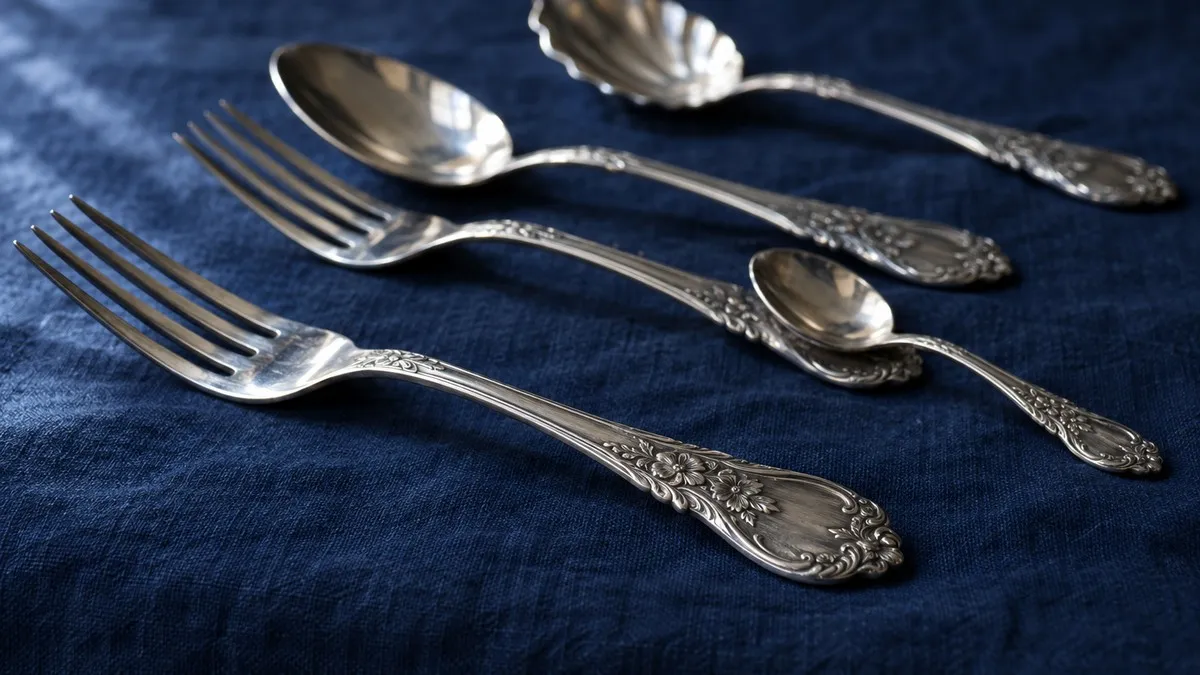
Flatware is where most household sterling sits, and it is also where most melt math goes wrong. A plain fork or spoon marked sterling is usually solid metal, so its weight is its silver weight before you apply the 0.925.
Knives are different. The StackFi silver calculator notes that knife handles are a thin silver shell filled with cement or resin, so weighing a whole knife counts the filling as silver. Hollow-handled serving pieces, such as cake servers and carving sets, work the same way.
Candlesticks are the bigger trap. Scrap Price Today warns that candlesticks, some trophy bases and many hollow handles are weighted with plaster, pitch or cement, and that buyers pay only for the silver. A pair of candlesticks can feel like a kilogram of sterling and hold a fraction of that.
Weigh forks, spoons and solid serving pieces, then set knives and weighted pieces aside as their own lot. A buyer will separate them anyway, and doing it first means you know which part of an offer is the silver.
A complete set is worth weighing as a set too. Nicholas Estate Buyers notes that a full service in its fitted chest sells better as tableware than loose pieces do, and that missing place settings matter less than sellers expect, since a buyer still pays melt for what is there.
925 Marks, Plate Marks and What Each Stamp Means
The mark decides whether the math above applies at all. Look on the back of a handle, the base of a bowl or the clasp of a piece of jewelry, and read it in good light with a magnifier:
- "Sterling", "Ster.", "925" or ".925" means sterling, usually beside a maker's name on American flatware.
- A lion passant means English sterling, normally with a town mark, a maker's mark and a date letter.
- "800", "830" or "835" means continental silver: real silver, but less of it per gram.
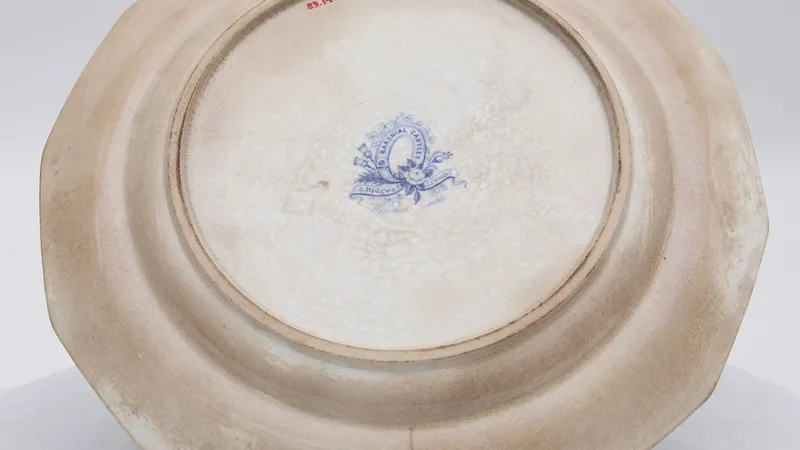
- "EPNS", "EP", "A1" or "Silver Plate" means a thin coat of silver over base metal, worth close to nothing as scrap.
Sheffield plate is the one that fools people. The Silver Society dates it to around 1743, made by fusing a sheet of sterling onto a copper core, so it looks and wears like silver but is mostly copper. The same source warns that pewterers often struck imitation silver marks, and that an acid test kit only tests the surface layer, so a plated piece can pass it.
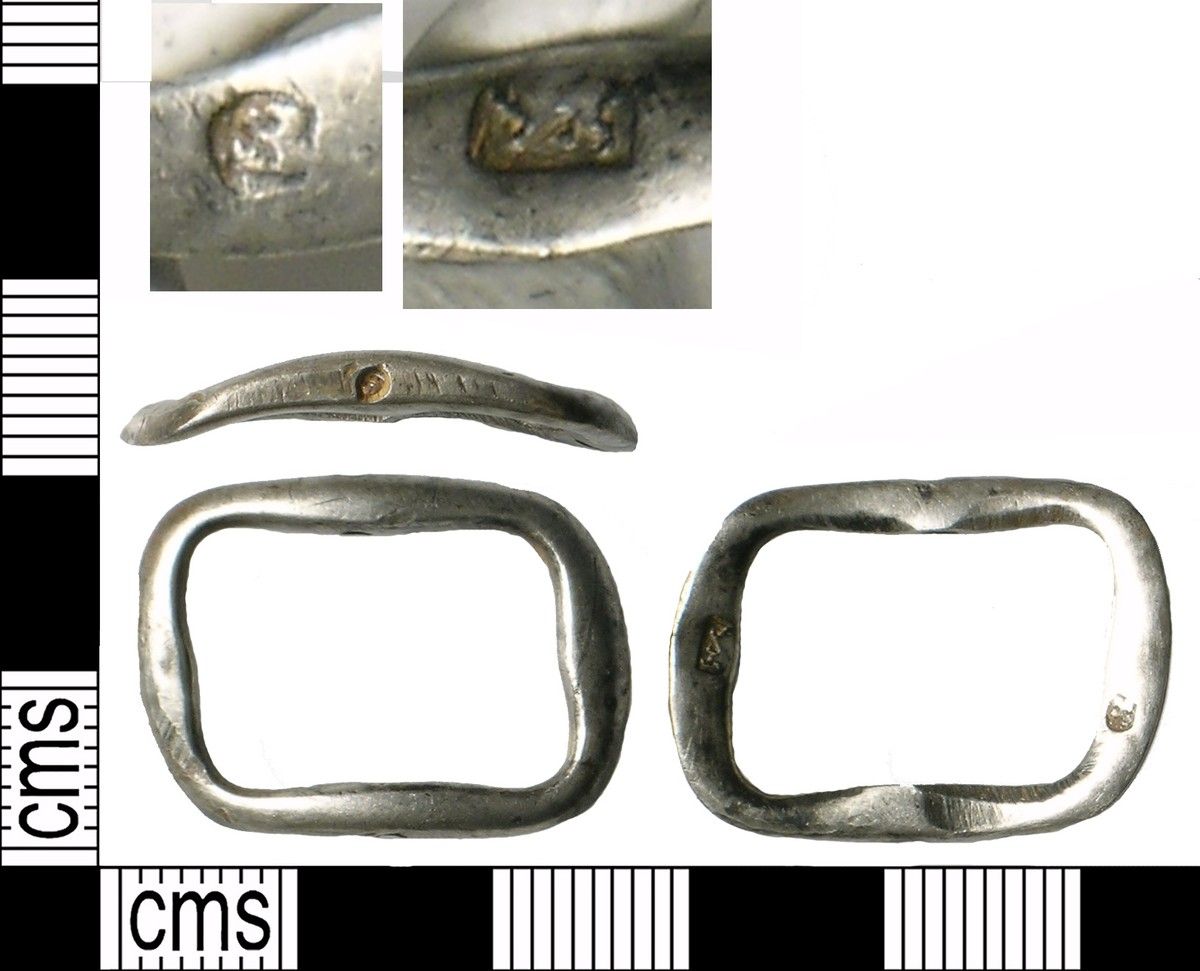
Mexican Sterling and the Eagle Mark
Mexican silver has its own system. A Mexican silver marks guide from White Metal Resources explains that the first national assay system, introduced in 1948, stamped an eagle punch with a workshop number, and that twentieth century Taxco silver is sterling by default. A Taxco piece marked 925 runs through the same 0.925 math as American flatware.
For sterling jewelry, Primo Worth's Jewelry mode reads the metal, stones and hallmarks it can see in a photo and adds a read-out on what drives the value. A stamp in a photo is not proof of what the metal is, though: the app cannot tell sterling from plate, and neither can any picture. If you are also sorting gold, our guide on how to read hallmarks and karat stamps covers the gold side of the same marks.
Scrap Value of Sterling Silver vs What Buyers Pay
Melt value is a calculation, not an offer. The same White Metal Resources guide puts typical dealer payouts at 60 to 95 percent of melt, depending on the form of the silver, the quantity and the type of buyer. That is the range behind the offer columns in the table above.
Where you sell changes where in that range you land. Scrap Price Today points out that sterling never belongs at a scrap yard, which buys by the pound without testing hallmarks; it goes to a refiner, a coin shop or a precious metals buyer, who pays a percentage of melt. StackFi gives the most useful advice in one line: ask for every offer as a percentage of melt, and get more than one. A buyer who will not state an offer as a percentage of melt is telling you something about the offer.
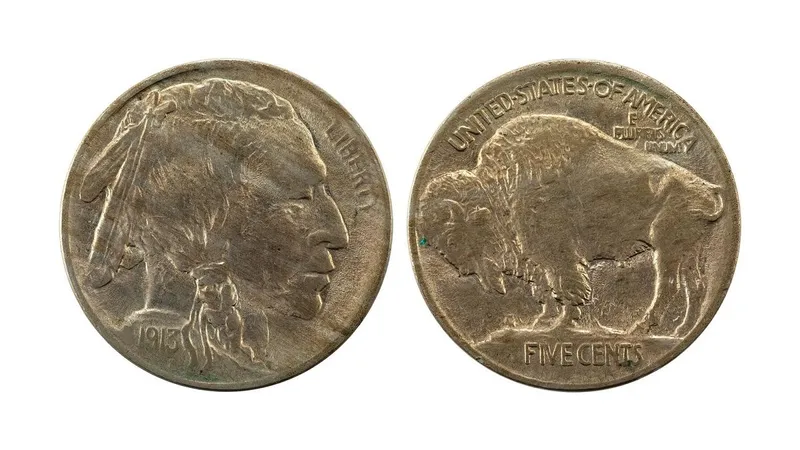
Coins follow the same rules with a different number. US dimes, quarters and half dollars from 1964 or earlier are 90% silver, so they use the 0.900 row in the table, as our silver quarter melt values guide works through date by date.
When Sterling Silver Is Worth More Than Melt
Some sterling sells above its metal, and the reason is demand rather than age. Nicholas Estate Buyers puts it plainly: a century-old pattern nobody collects may sell at melt, while a mid-century design with an active following can sell well above it.
The makers families most often buy to complete a set are Tiffany & Co., Georg Jensen, Gorham, Reed & Barton, Wallace, Towle, Kirk Stieff and International Silver, and replacement services such as Replacements, Ltd. keep that market active. Christofle is the exception to watch: most of its flatware is silver plate, so check the marks before assuming anything. A guide from Borro, citing Heritage Auctions sales records, names Tiffany and Georg Jensen patterns such as Chrysanthemum, Audubon, Acorn and Blossom as ones that can sell well above melt at auction. Signed Taxco pieces in documented patterns can do the same.
How to Check Whether Your Pattern Sells Above Melt
The test is simple: compare what your pattern actually sold for with its melt value. Asking prices tell you nothing, because anyone can list a fork for any price. Sold prices tell you what buyers paid.
The harder part is often the pattern name, since it is rarely stamped on the piece. Primo Worth can help with that first step: snap a photo of a fork or spoon and it identifies the item, then checks it against recent eBay sales where they exist and shows the sold listings, so you can judge whether the matches are your pattern. It is an AI estimate, not a professional appraisal, and it cannot weigh a piece, confirm that it is sterling or see what is inside a hollow handle. The scale, the marks and a buyer's test settle those.
If the sold prices sit well above melt, the piece is worth selling as tableware to a dealer, a replacement service or a collector. If they sit at or near melt, it is worth selling by weight, and the percentage-of-melt question is the one that decides your price.
Sterling Silver Value in Short
Sterling is 92.5% silver, so its melt value is the weight in grams divided by 31.1035, times 0.925, times the day's spot price. At $50.49 an ounce on November 12, 2026, that came to about $1.50 a gram, and the price can move by half within a year.
Weigh only solid silver: knife handles, candlesticks and other hollow or weighted pieces hold far less silver than their weight suggests. Read the mark first, since sterling, Britannia, coin and continental silver each carry a different share of silver, and plate carries almost none. Expect buyers to pay somewhere between 60 and 95 percent of melt, ask for offers in those terms, and check sold prices for named patterns before you sell anything by weight.